When performance, dimensional stability, and long service life matter more than the lowest upfront price, fiberglass is the right frame material. Impact Windows Installation installs pultruded fiberglass windows for homes and commercial projects throughout James Island, SC.
Fiberglass windows occupy a specific, well-defined performance tier above standard vinyl and well above aluminum in most residential and commercial applications. They are not the right choice for every project -- the cost premium is real and in some cases not justified. But for the applications where fiberglass matters most -- coastal properties, historic renovations, high-performance construction, and any situation where long-term dimensional stability is critical -- fiberglass is the material that delivers where vinyl and aluminum fall short.
Fiberglass window frames are made from glass fiber-reinforced polymer, commonly called GFRP. The manufacturing method matters: pultruded fiberglass is made by continuously drawing glass fiber strands through a resin bath and then through a heated die that shapes and cures the profile. Pultruded frames have a high fiber-to-resin ratio, which is what gives them their exceptional stiffness and strength. Compression-molded fiberglass uses chopped fibers in a press mold rather than continuous strands, resulting in a product that is still a significant improvement over vinyl but does not achieve the same structural performance as pultruded material. When we specify fiberglass windows for high-demand applications in James Island, we specify pultruded construction.
The most technically important property of fiberglass frames for long-term window performance is thermal expansion compatibility. This is a property that rarely appears on marketing materials but matters enormously over the life of a window. Fiberglass expands and contracts at a coefficient of approximately 8.5 x 10^-6 per degree Celsius -- nearly identical to the glass it holds. Vinyl (PVC) has a thermal expansion coefficient approximately five times higher. Aluminum is roughly 2.5 times higher than fiberglass. What this means in practice: over a day with a 40-degree temperature swing -- common in James Island, SC -- a vinyl frame is expanding and contracting significantly more than the glass unit sealed inside it. That repeated differential movement stresses the glazing seals, can introduce small air infiltration pathways over time, and contributes to the seal failures that cause double-pane fogging. A fiberglass frame moves with its glass, maintaining seal integrity across wide temperature ranges over decades of service.
In coastal environments and areas with high humidity and salt-air exposure, fiberglass holds a clear advantage over both wood and aluminum. Wood requires an ongoing paint maintenance cycle, is susceptible to moisture absorption and rot when coatings are compromised, and can swell and bind in high-humidity conditions. Aluminum is highly thermally conductive -- it creates a thermal bridge even with thermal break technology inserted into the frame -- and in salt-air environments, aluminum is subject to galvanic and oxidative corrosion over time. Fiberglass does not rot, does not absorb moisture, does not corrode in salt air, and does not conduct heat at aluminum's rate. For coastal properties in SC, fiberglass is the technical performance choice.
Fiberglass also accepts paint in a way that vinyl does not. Vinyl's factory color is in the material itself; painting vinyl is generally not recommended because the paint does not bond well to the smooth surface, and the differential expansion means painted vinyl quickly shows cracking and peeling. Fiberglass, by contrast, can be factory-finished or field-painted with standard exterior latex or oil-based paints. For historic renovations, custom-color projects, or any application requiring a painted architectural finish -- including wood-grain textured finishes that are indistinguishable from painted wood at normal viewing distance -- fiberglass is the appropriate frame material. In James Island, where homeowners and architects are increasingly specifying custom-color windows to match specific architectural palettes, this distinction is practically important.
The honest case for fiberglass also includes the honest case against it for some projects. Pultruded fiberglass windows typically cost 20 to 30 percent more than comparable vinyl units. For a standard suburban home replacement project where the primary goal is basic thermal improvement at reasonable cost, vinyl remains a practical and durable choice. Fiberglass earns its premium in situations where long service life, dimensional stability, coastal durability, architectural finish options, or high-strength structural performance are the deciding factors. Our consultation process in James Island begins with a straightforward assessment of whether fiberglass is the right specification for your project, not a default recommendation of the highest-cost option.
| Frame Property | Fiberglass | Vinyl | Aluminum |
|---|---|---|---|
| Thermal Expansion | Low (8.5E-6/C) | High (~5x) | Moderate (~2.5x) |
| Salt Air Corrosion | None | None | Risk |
| Paintable | Yes | No | Yes (powder coat) |
| Thermal Bridge | Low | Low | High |
| Moisture/Rot Risk | None | None | None |
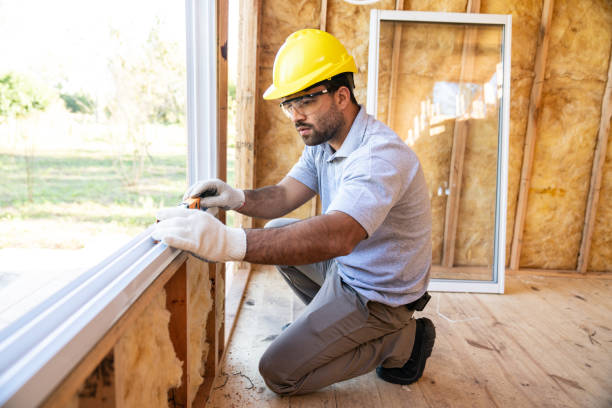
From standard double-hung replacements to pultruded commercial-grade installations, Impact Windows Installation provides fiberglass window services for the full range of residential and light commercial applications in James Island.
Standard residential fiberglass frame replacement with high-performance glazing options -- Low-E, argon, or krypton gas fill depending on application.
Structural-grade pultruded fiberglass for commercial applications, large-opening residential projects, and any situation requiring maximum frame stiffness.
Factory-applied wood grain textures and custom paint finishes on fiberglass frames that meet historic district requirements or match any architectural color scheme.
Casement and awning configurations in fiberglass -- offering the structural stiffness and tight seal that larger casement units need across temperature cycles.
Purpose-specified fiberglass window selection for salt-air, high-moisture, and coastal environments where aluminum corrosion and wood rot are real concerns.
Double-hung and sliding configurations in fiberglass for standard residential applications requiring dimensional stability and long-term performance without maintenance.
Fiberglass frames have different fastener schedules, shimming requirements, and sealant compatibility compared to vinyl and aluminum -- we get these details right on every installation.
We verify that glazing, sealing, and installation methods are appropriate for fiberglass's specific expansion coefficient to maintain long-term seal integrity.
Fiberglass frames are specified alongside the right Low-E glass, gas fill, and spacer system to make the full unit perform as designed rather than treating the frame and glass as separate decisions.
We specify products and installation methods with a 30-plus-year service horizon in mind -- the point where fiberglass's upfront cost premium pays for itself against repeated vinyl replacement or ongoing aluminum maintenance.
We assess your specific application -- coastal exposure, historic district, commercial grade, architectural finish requirements -- to confirm that fiberglass is the right specification and identify which product line fits.
We select pultruded vs. compression-molded based on structural requirements, choose glass specifications appropriate for your climate zone in SC, and confirm finish options including custom paint colors.
Fiberglass installation follows material-specific fastener patterns, shimming protocols, and sealant selection -- we do not use generic vinyl installation procedures on a material that requires different handling.
Final check confirms glass seal integrity, sash operation, weatherstripping compression, and finish condition before sign-off -- including documentation for any warranty or insurance records.
We have an oceanfront property and went through two sets of aluminum windows over the years -- both showed corrosion and seal failure well before they should have. When we needed to replace again, we did the research and fiberglass was the clear technical answer for a salt-air environment. Impact Windows Installation handled the specification and installation and the paint finish still looks new years later. We should have done this the first time.
I wanted the look of painted wood windows throughout my house but I was not willing to take on the maintenance that comes with actual wood -- repainting every few years, monitoring for moisture damage, the ongoing cost of upkeep. The fiberglass windows with factory wood-grain paint finish gave me exactly the aesthetic I wanted and nothing to maintain. Guests consistently assume they are painted wood. Impact Windows Installation walked me through the color and finish options and the result is exactly what I had in mind.
We were renovating a commercial office space and needed windows that met a high U-factor specification and maintained a clean, slim-profile look -- vinyl profiles were too thick visually and aluminum had thermal bridging issues that would have required thermal break technology to meet spec. Pultruded fiberglass was the answer that met both requirements without compromise. Impact Windows Installation sourced the right product and completed the installation on the commercial timeline we needed.
Contact Impact Windows Installation for a consultation on whether fiberglass is the right specification for your project in James Island. We will give you an honest assessment and a detailed quote for pultruded fiberglass or standard fiberglass depending on your application.